India

INDIA
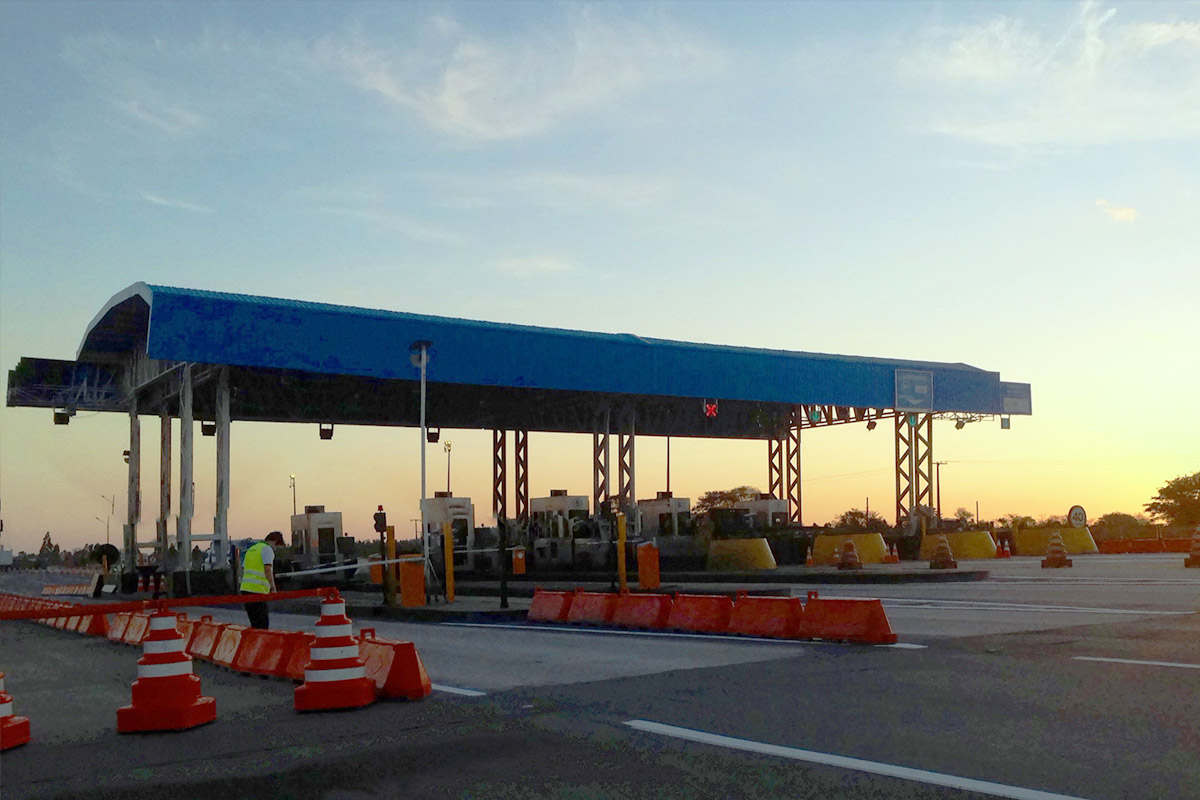
We are one of Europe's leading managers of infrastructure concessions in India, with a total network of 416 km of roads, divided into three assets.
In this year, we completed the acquisition of 100% of our assets in India. We also have a network of strategic alliances that supports our activity in terms of business development.
-

NH-2
VARANASI-AURANGABAD
Awarded in 2010, this project is part of the Varanasi-Aurangabad section of the NH-2, a 192-km segment with six lanes, included in the Delhi – Calcuta motorway.
It connects the cities of Aurangabad (in Bihar), and Varanasi (in Uttar Pradesh), the latter being one of the country's main pilgrimage sites. The area is also surrounded by sand and coal mines, which generate significant commercial traffic.
-

NH-6
HAZIRA-MAHARASTRA
Awarded in 2009, this project is part of the Gujarat-Hazira section of NH-6, a 131-km segment with four lanes in the state of Gujarat.
It connects the city of Surat, the eighth most populous city in India, with the port of Hazira, which is one of the main industrial and commercial ports along the industrial corridor between Delhi and Mumbai, and with the Maharastra border..
-

NH-8
KISHANGARH-BEAWAR
Awarded in 2009, this project is part of the Kishangarh-Ajmer-Beawar section of the NH-8, a 93-km segment with six lanes in the state of Rajasthan, included in the Ajmer-Jaipur motorway, one of the most important roads in Rajasthan. India’s main limestone and cement producers, as well as other construction material companies are located in this region.
-
ROADIS consolidates stakes with Indian joint venture partner acquisition

2024 has been a year of a success for ROADIS in India, during which it acquired the stake of our Indian partner JV Soma. By means of this acquisition, we have obtained total control of the assets in the country. This is a major milestone, as it strengthens our commitment to supporting India's infrastructure objectives.
In 2024, we also completed the first refurbishment cycle for the entire NH6 stretch, and 50% of the second refurbishment cycle of the NH8, which is a major step forward in managing our assets.
-
The construction of national roads advanced at a pace of 34 km per day in 2024

The road sector in India has seen unprecedented growth in 2024, driving the economy and improving connectivity. Thanks to the government's strategy, political reforms and greater private participation, road infrastructure remains a key pillar of development. The allocation in the 2025-2026 Union Budget of 11.21 lack cr rupees (approx. €1,200 million) was 2.4% higher than in the previous year, representing 3.1% of GDP.
With a total of 6.62 million kilometres, India has the second-largest road network in the world, carrying 65% of all goods and 90% of passenger traffic. In spite of accounting for 2% of the total road network, the National motorways are used to transport 40% of goods and people. Over the last decade, this network has grown by 60%, reaching 146,195 km in 2024. Initiatives such as Bharatmala Pariyojana, which seeks to develop 34,800 km of roads, have been key to improving connectivity and reducing logistics costs.
The construction of national roads advanced at a pace of 34 km per day in 2024, compared to 12.1 km in 2015, thus consolidating India as a leader in road infrastructure. This progress has been made possible thanks to strategic reforms, increased financing, more agile approval processes and the adoption of advanced technologies..
In order to attract private investment, the government has promoted (Public-Private Partnerships PPA), the Hybrid Annuity Model (HAM) and the Toll-Operate-Transfer (TOT) scheme.
Toll motorway traffic grew between 8% and 10% in 2024, driven by road expansion, economic growth and increased vehicle ownership. Meanwhile, India prioritises sustainability, promoting the use of environmentally friendly materials, green corridors and energy efficient constructions. The aim is for the fleet of heavy-duty trucks to run on LNG in the next five to seven years, thus reducing the dependence on diesel and carbon emissions.
The future is promising. It plans to construct 50 km of roads per day by 2025 and the development of an additional 20,000 km under Phase II of Bharatmala. With the growth of the vehicle fleet and the increase in the movement of goods, India is set to be a global benchmark in modern and sustainable road infrastructure.
-
*(IN EUR M)
NH2
2024
2023
2022
Revenue From Traffic
60,7
62,6
58,4
EBITDA43,0
44,6
48,8
EBT14,5
22,2
28,9
Net Income
9,6
4,2
18,8
Operating CF
48,5
46,2
34,9
*(IN EUR M)NH6
2024
2023
2022
Revenue From Traffic
31,8
29,0
26,6
EBITDA22,8
20,8
21,9
EBT-3,8
126,7
-12,1
Net Income
-3,7
82,4
-8,9
Operating CF
29,2
23,7
17,2
*(IN EUR M)NH8
2024
2023
2022
Revenue From Traffic
28,7
28,2
28,0
EBITDA18,7
21,1
17,1
EBT-0,3
0,5
-5,7
Net Income
-0,8
-5,0
-4,0
Operating CF
23,7
21,6
11,8



HOW DO WE CREATE VALUE?
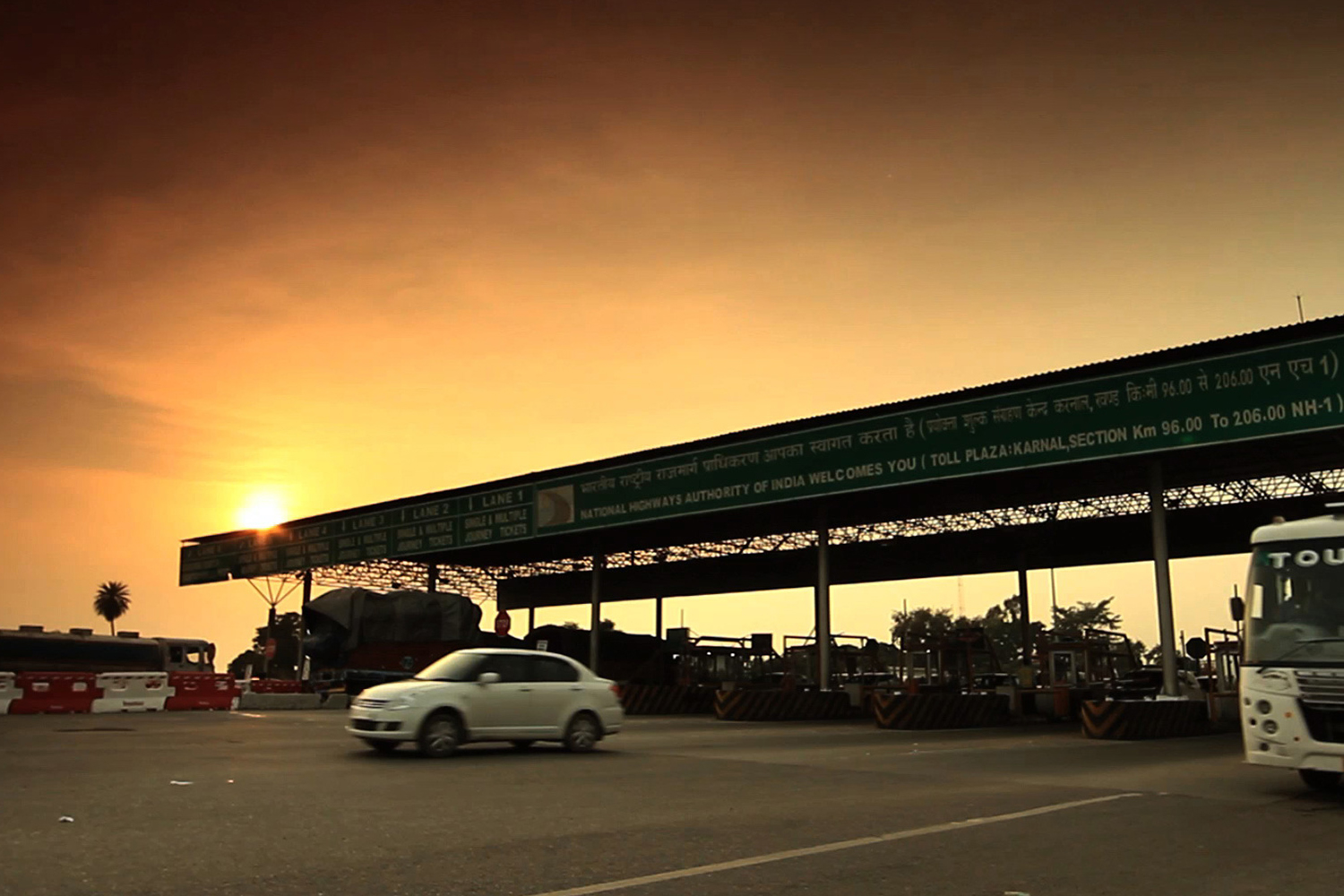
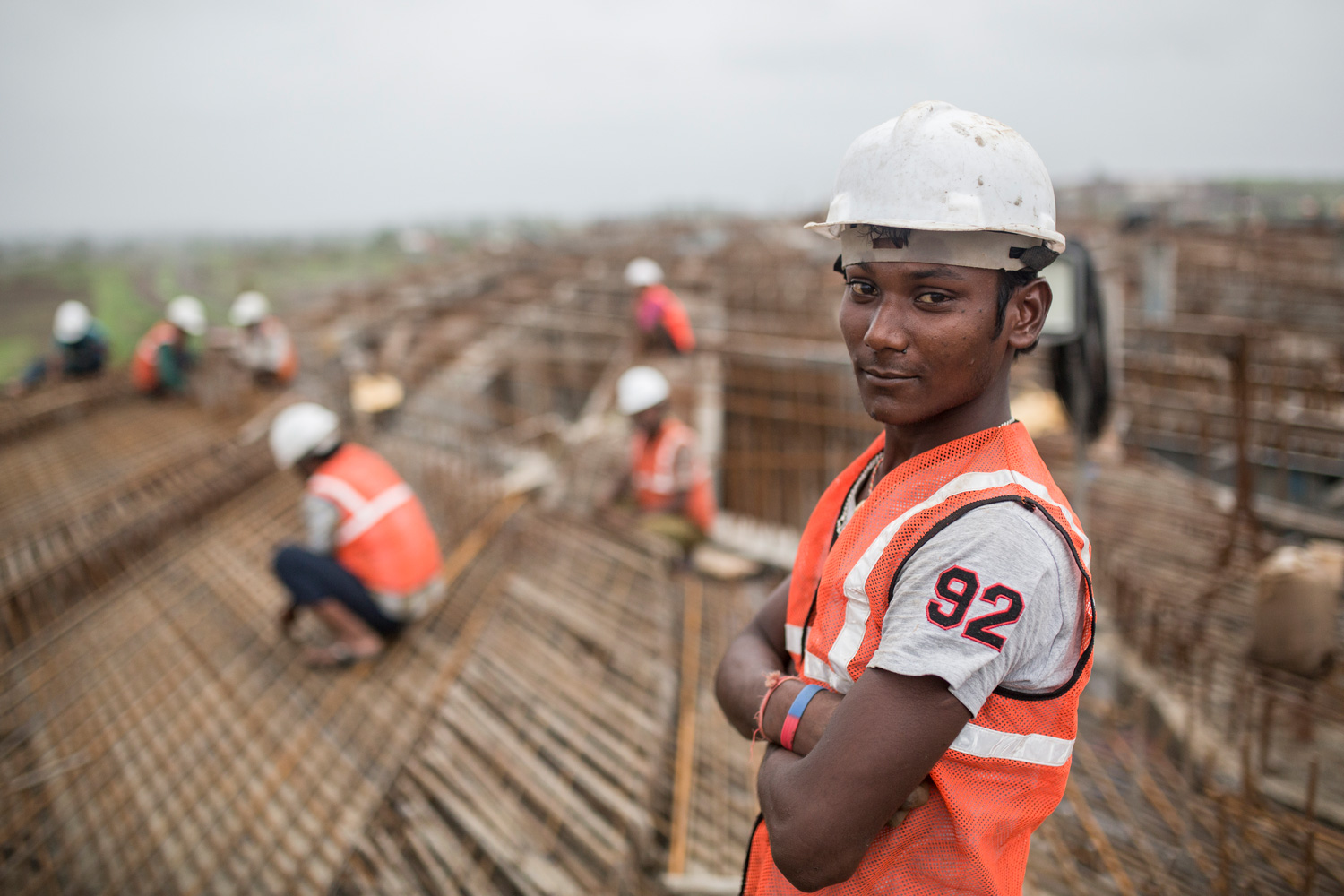
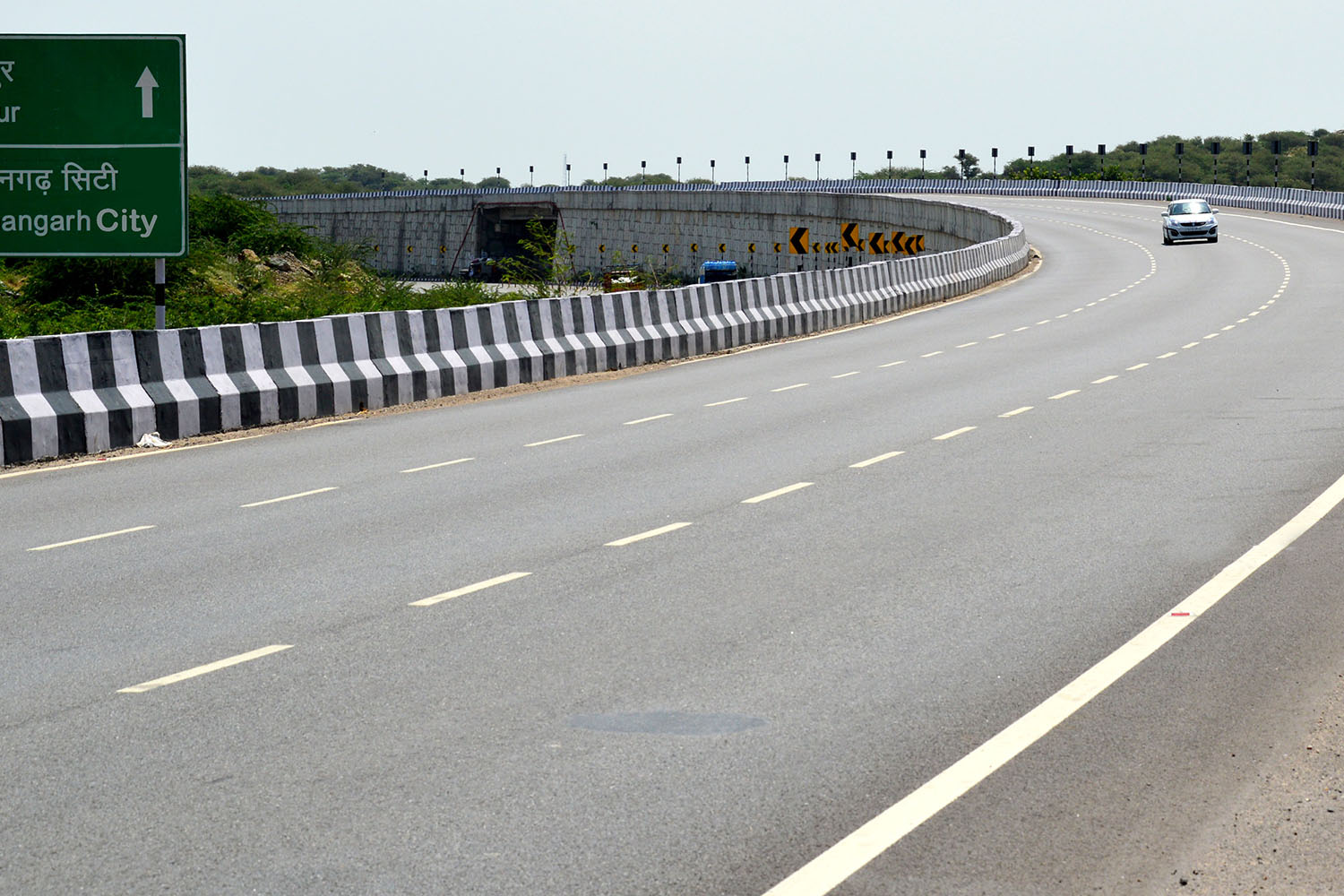
Our assets in India have generated a very significant impact on direct and indirect employment in nearby communities. The high-quality transport network provided by our roads has improved the access to key infrastructure and essential socio-economic services such as markets, schools and health centres, substantially reducing the time and cost of travel.
During 2024, we conducted several awareness campaigns within the framework of National Road Safety Month and National Road Safety Week, as well as initiatives focusing on occupational safety and environmental protection: In total, 48 activities, including health check-ups (primary care and specialities), reforestation, river clean-ups, education campaigns and road safety awareness in schools, etc., with a total of almost 2,000 hours of work invested.