


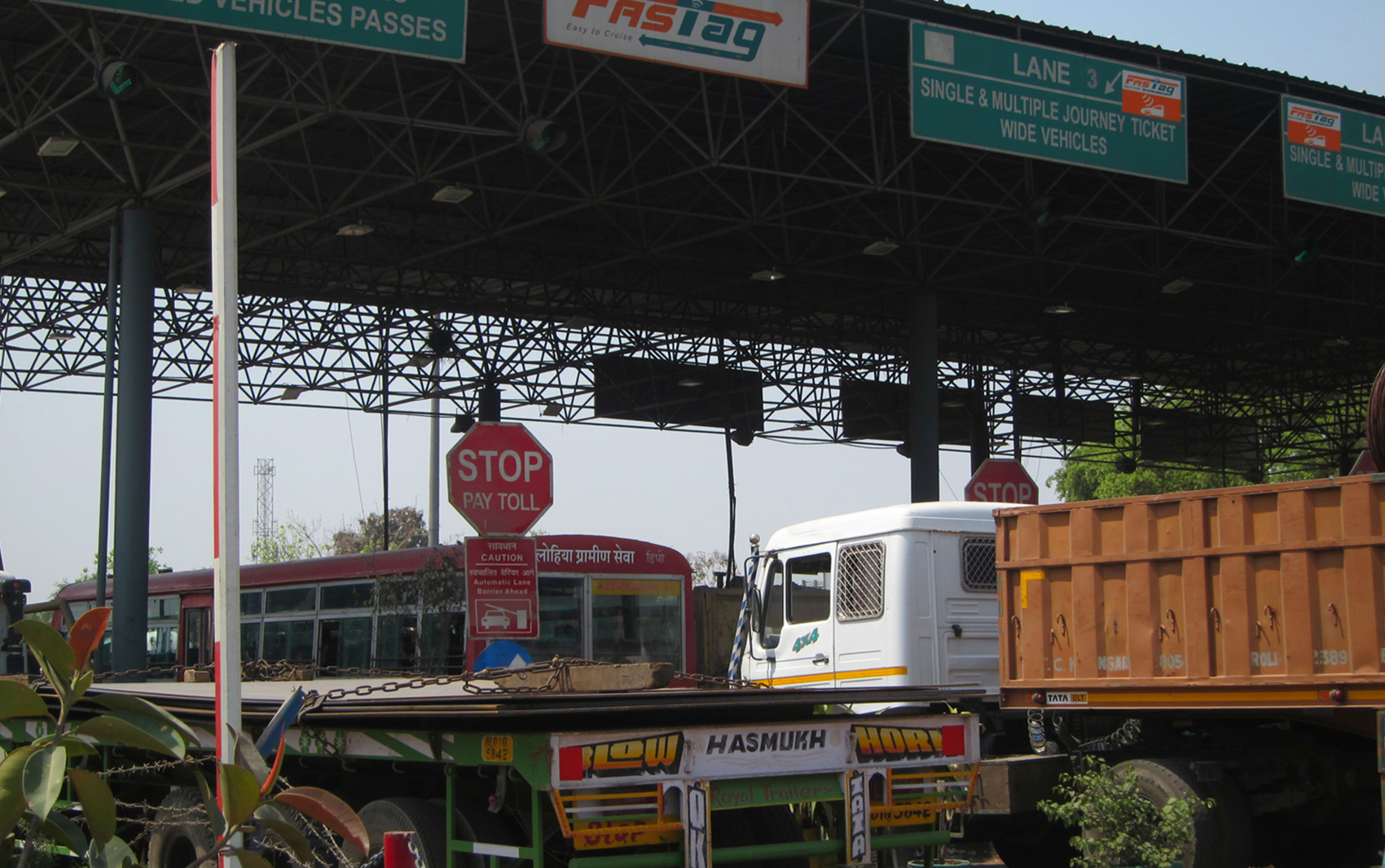
We are one of the leading European infrastructure concession managers in India, with a total road network of 707 km. We have consolidated our position in the country thanks to our knowledge and experience in asset management gained over the years. We also have a network of strategic alliances that supports our activity in terms of business development.
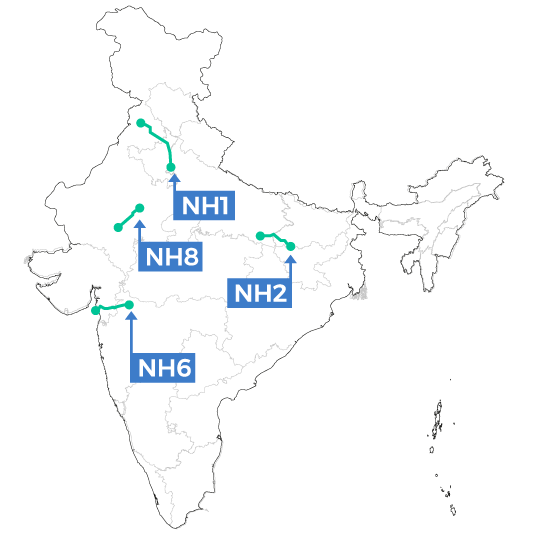

PROJECTS
-
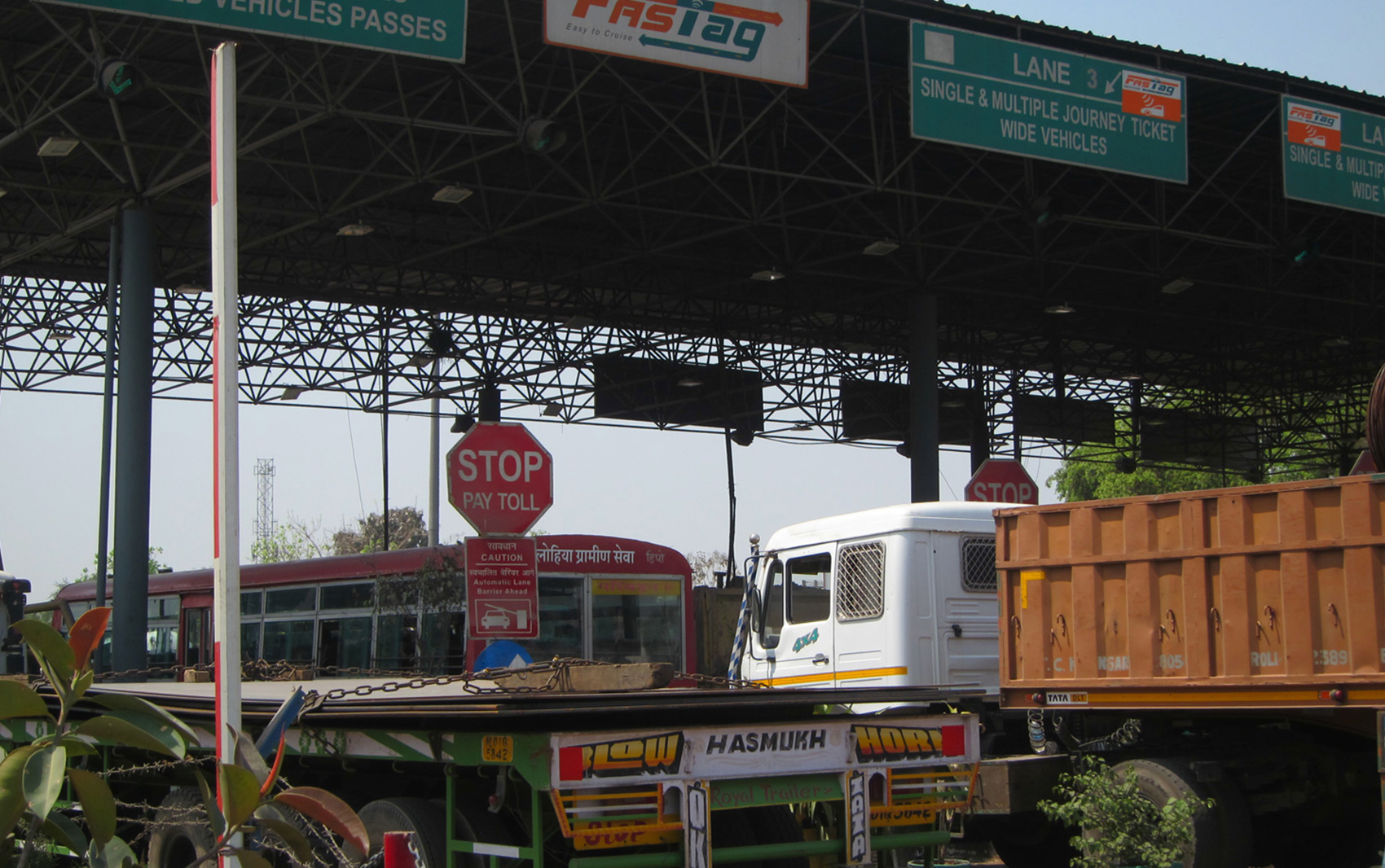
NH-2: VARANASI-AURANGABAD
Awarded in 2010, this project is part of the Varanasi-Aurangabad section of the NH-2, a 192-km segment with six lanes in the states of Uttar Pradesh and Bihar.
This stretch is on the Delhi - Kolkata highway, and connects the cities of Aurangabad (in Bihar) and Varanasi (in Uttar Pradesh). Varanasi is important as one of the main pilgrimage sites in India. The area is also surrounded by sand and coal mines near the factories, which generate significant commercial traffic.
-

NH-6: HAZIRA-MAHARASTRA
Awarded in 2009, this project is part of the Gujarat-Hazira section of NH-6, a 131-km segment with four lanes in the state of Gujarat.
This stretch connects the city of Surat (the eighth most populous city in India and the second in the state, after Ahmedabad) with the port of Hazira, which is one of the main industrial and commercial ports along the industrial corridor between Delhi and Mumbai, with the border with Maharashtra.
-
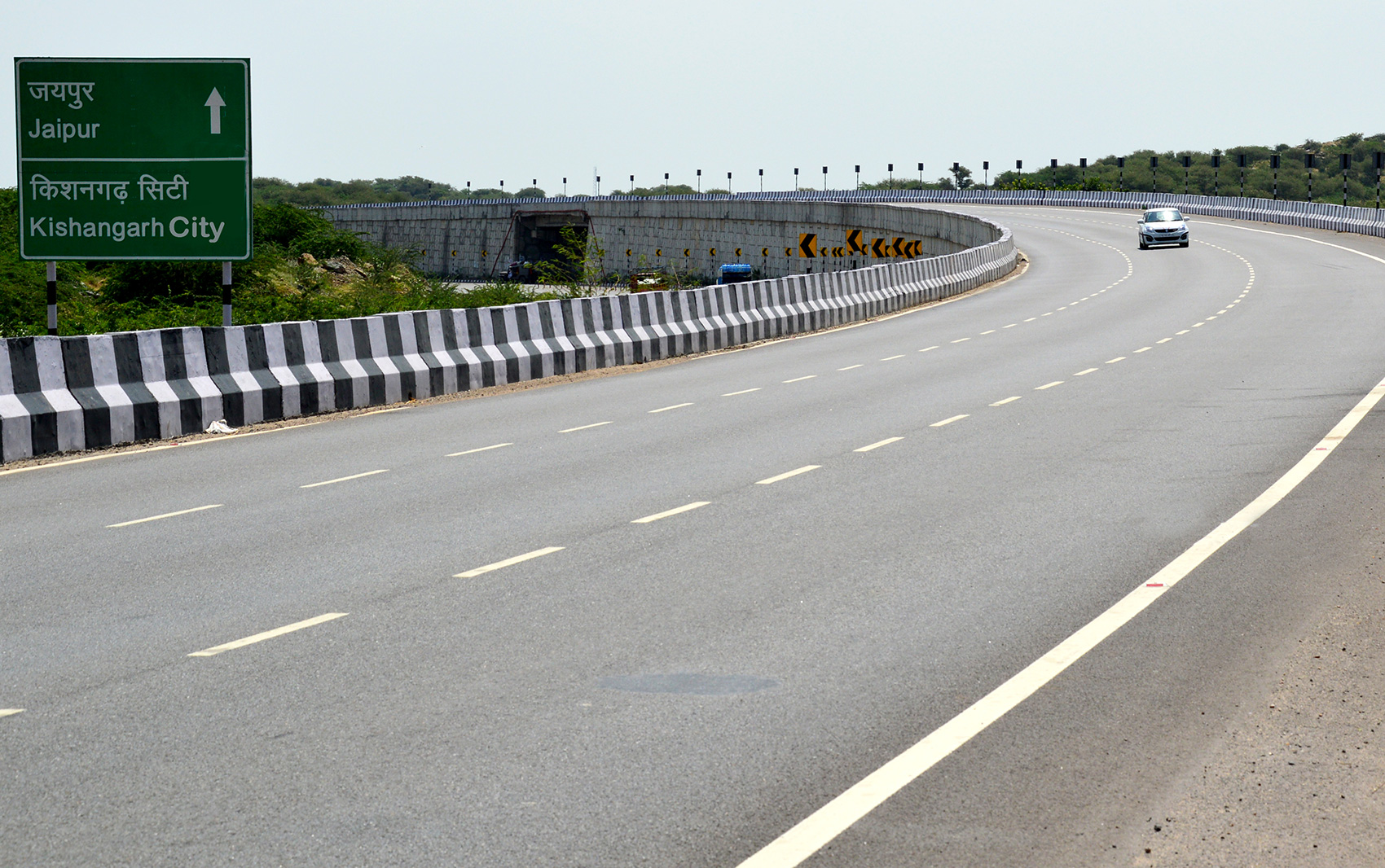
NH-8: KISHANGARH-BEAWAR
Awarded in 2009, this project is part of the Kishangarh-Ajmer-Beawar section of the NH-8, a 93-km segment with six lanes in the state of Rajasthan.
This stretch is on the Ajmer-Jaipur highway, one of the most important roads in Rajasthan. India’s main limestone and cement producers, as well as other construction material companies are located in this region.
-

NH-1: PANIPAT-JALANDHAR
This project, awarded in 2008, corresponds to the Panipat-Jalandhar section of NH-1, a stretch of 291 km and six lanes in the states of Haryana and Punjab.
The concession is a stretch of Grant Trunk Road that connects Delhi to the northern cities of Ludhiana and Jalandhar and from there to the Pakistani border. Also, it is the main corridor to the Himalayan resorts.
-
We manage existing assets in India and are working to acquire long-term projects with stable yields in the country and elsewhere in the Asia-Pacific region.
This is undoubtedly a key market for growth, considering that we currently manage a network of more than 700 km of road. We are one of the leading motorway developers with proven experience on the ground. We have a strong reputation in the country thanks to our strategic growth, partnerships and operational capacity. All assets have reached significant milestones in the project lifecycle.
In addition, the concessions have demonstrated great resilience to the uncertainties arising from COVID-19, with traffic already recovering at levels similar to those prior to the pandemic. The recovery of assets such as the NH-6 has been remarkable, well above the industry average.
-
India is on the road to becoming the engine of global growth.
The IMF expects it to contribute 15% to global growth in 2023. In addition to being the world's most populous country, the continued increase in domestic consumption helps to mitigate any external factor, as was demonstrated during the pandemic. Given these expectations, it appears that India is on the path to becoming the third largest economy in the world by 2030.
Thanks to political reforms, India has shown a constant improvement in the World Bank's EoDB ranking, moving from position 142 in 2014 to 63 today. In addition, given its growth, relatively stable public finances and the optimism among stakeholders in Indian companies, it ranks 37th on the IMD's World Competitiveness Index, jumping six positions in just one year (43).
For the future, India has set ambitious infrastructure development goals as a driving force for the country to become a developed nation by 2047. With the Gati Shakti Master Plan, the aim is to integrate economic and infrastructure planning and improve India's multimodal logistics and reduce logistics costs to 10% from the current 14-15% of GDP, to the same level as other developed nations.
-
India has the world’s second largest road network
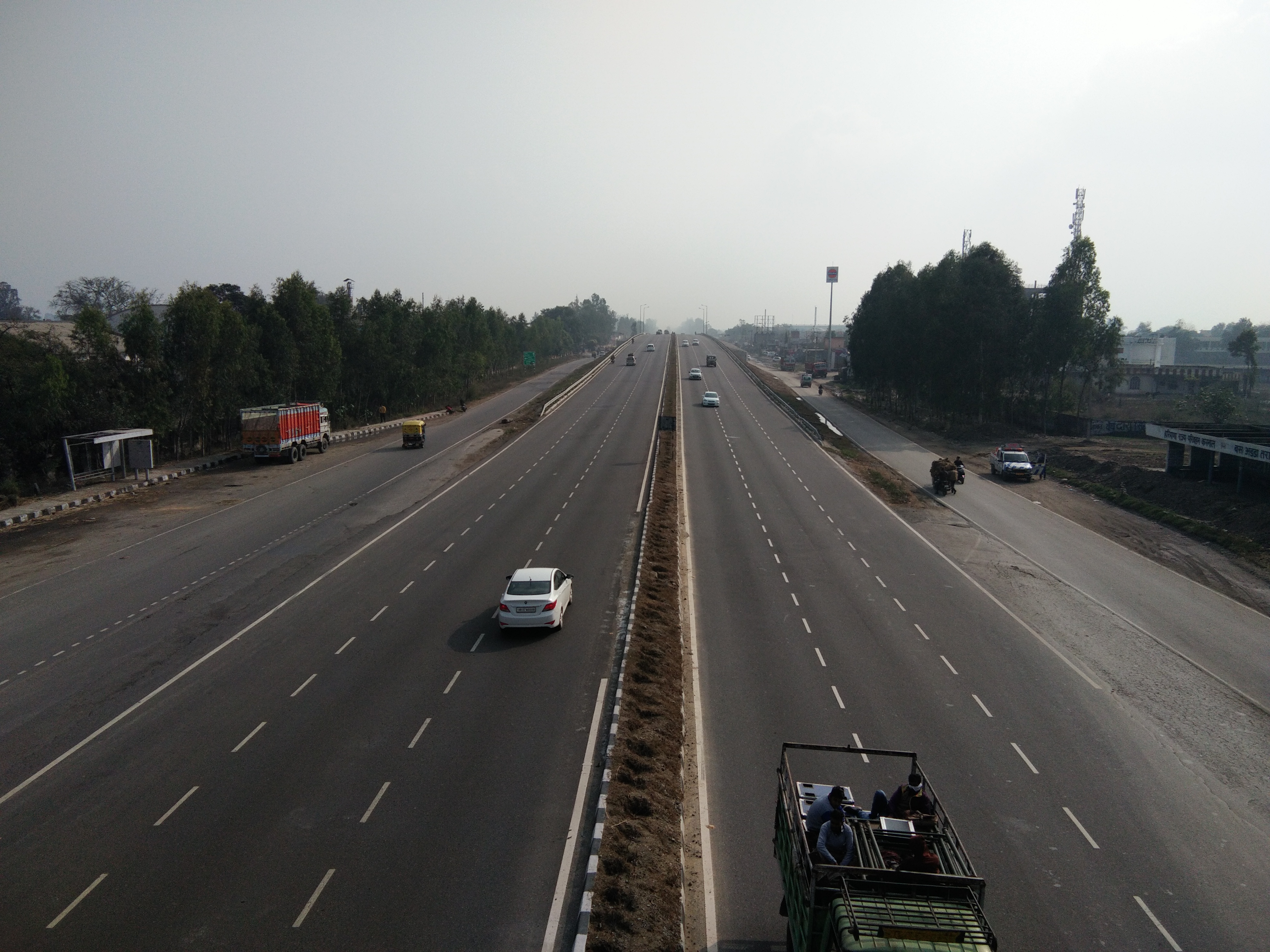
With a total of 6.37 million kilometres of national motorways, urban roads and rural roads carrying 65% of all freight in the country; in addition, 90% of India’s total passenger traffic uses that road network. National motorways account for 2% of the total road network, but they are used to transport 40% of goods and passengers.
Between 2014 and 2021, the length of the national motorway network increased by 50%, going from 91,000 km to 141,000 km in 2021, and the pace of construction multiplied by 2.5, going from 12 km a day in 2014-15 to 30 km in 2021-22, despite the pandemic-related disruptions.
India will witness record road construction, and the national motorway network is expected to grow by 37% over the next two years. In addition, the Government has proposed expanding the national motorway network by 25,000 km in 2023.
The Government's allocation to infrastructure spending has been increasing, with 125 billion dollars allocated to infrastructure in the 2023-24 budget (33% more than last year), 30% of which is earmarked for roads (3rd highest allocation).
In addition, continuous improvements to infrastructure are guaranteed through various initiatives in the sector and a high level of government investment, with programmes such as the National Infrastructure Plan (NIP), the National Monetisation Plan (NMP), etc. These programmes guarantee the existence of opportunities and a lucrative investment sector.
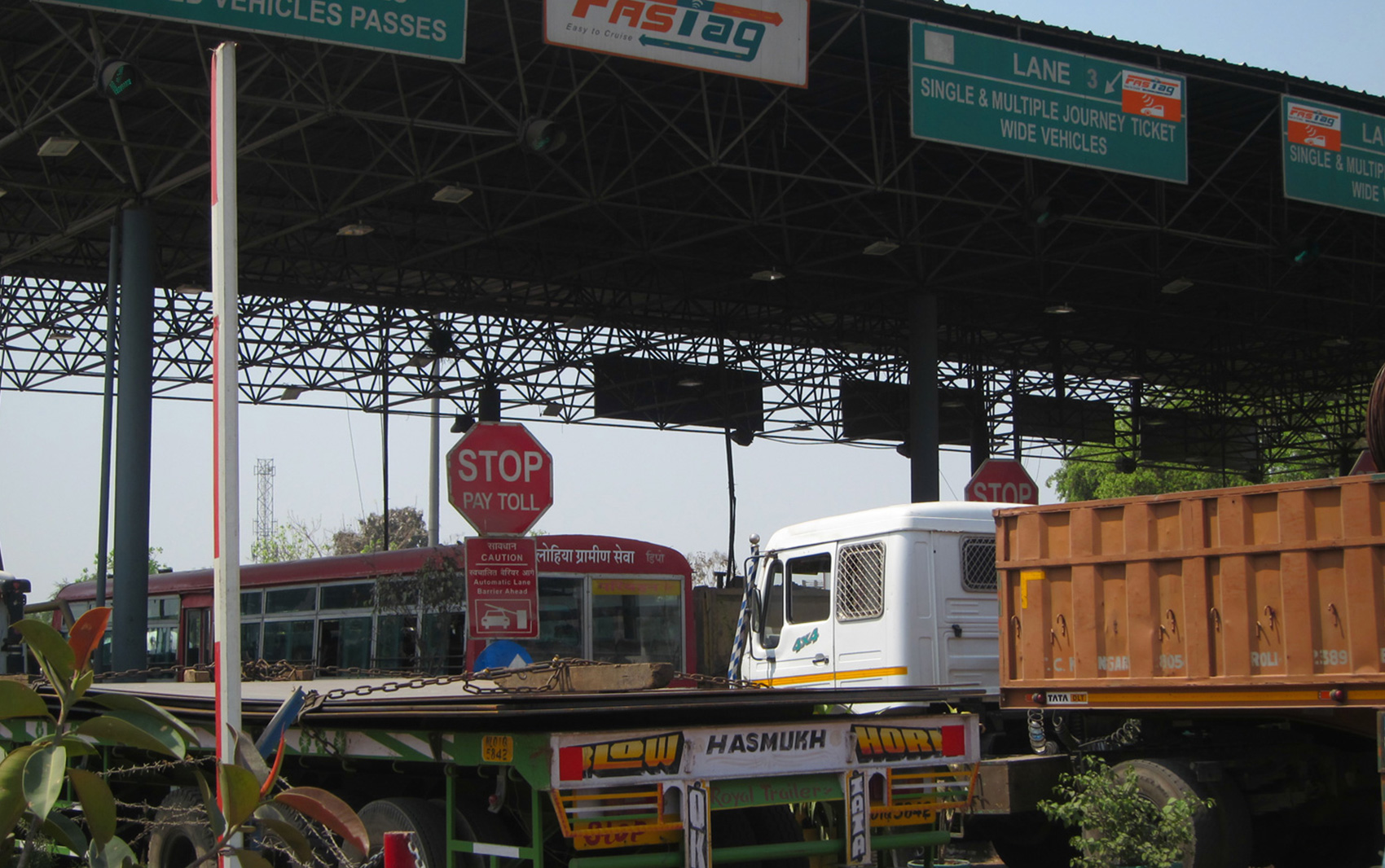
With regard to traffic, national motorways are continuing to grow at a rate of between 5 and 7% during the 2022-23 fiscal year, along with a significant increase in toll rates, which will boost the revenue of toll road operators.
-
*(IN EUR M)NH-220222021Traffic Revenue58.452.1EBITDA48.839.0EBT28.92.3Net income18.81.5Operating CF34.932.0NH-820222021Traffic Revenue28.025.9EBITDA17.117.6EBT5.74.7Net income4.03.0Operating CF11.820.7NH-620222021Traffic Revenue26.621.1EBITDA21.914.7EBT12.14.6Net income8.93.0Operating CF17.216.2


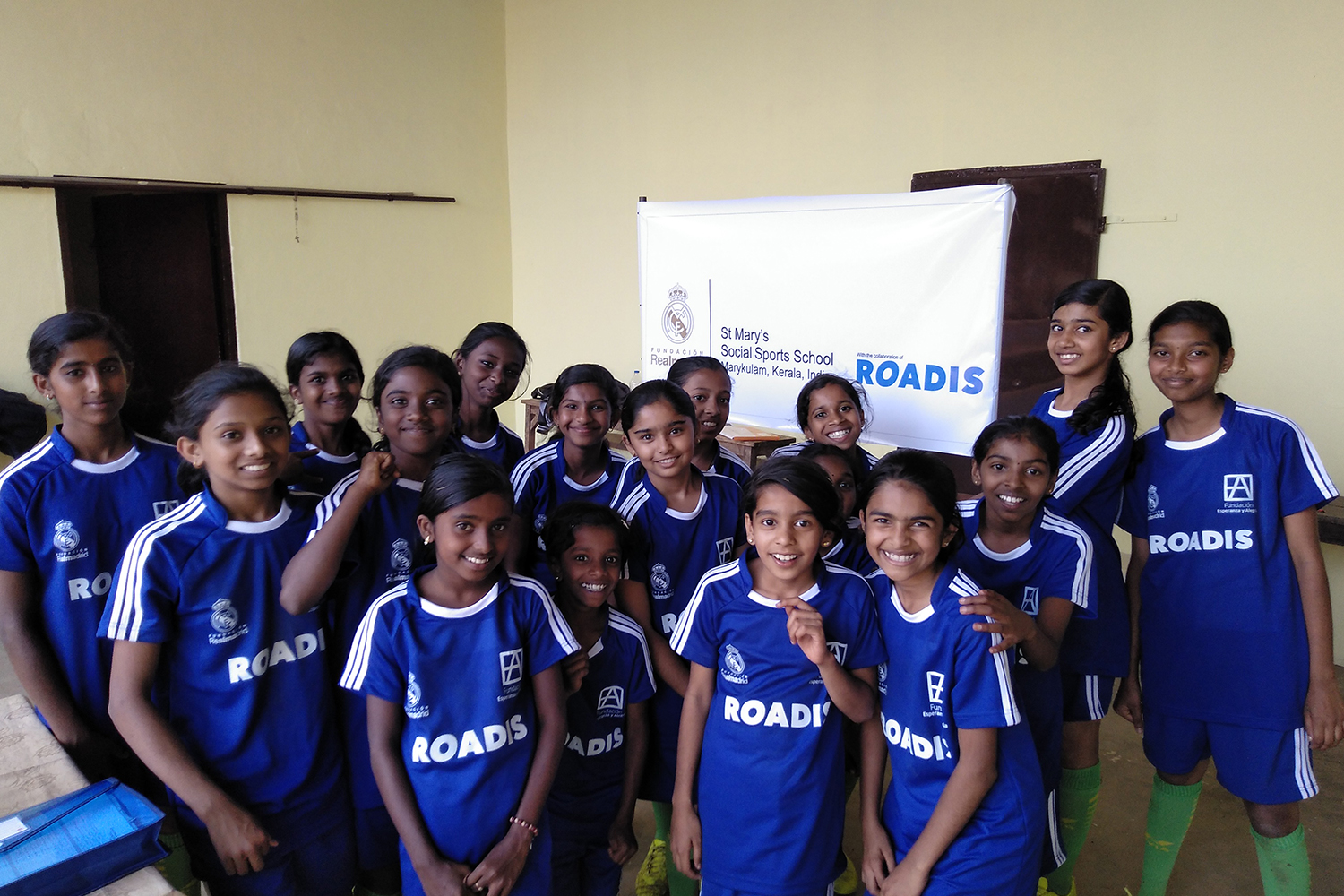
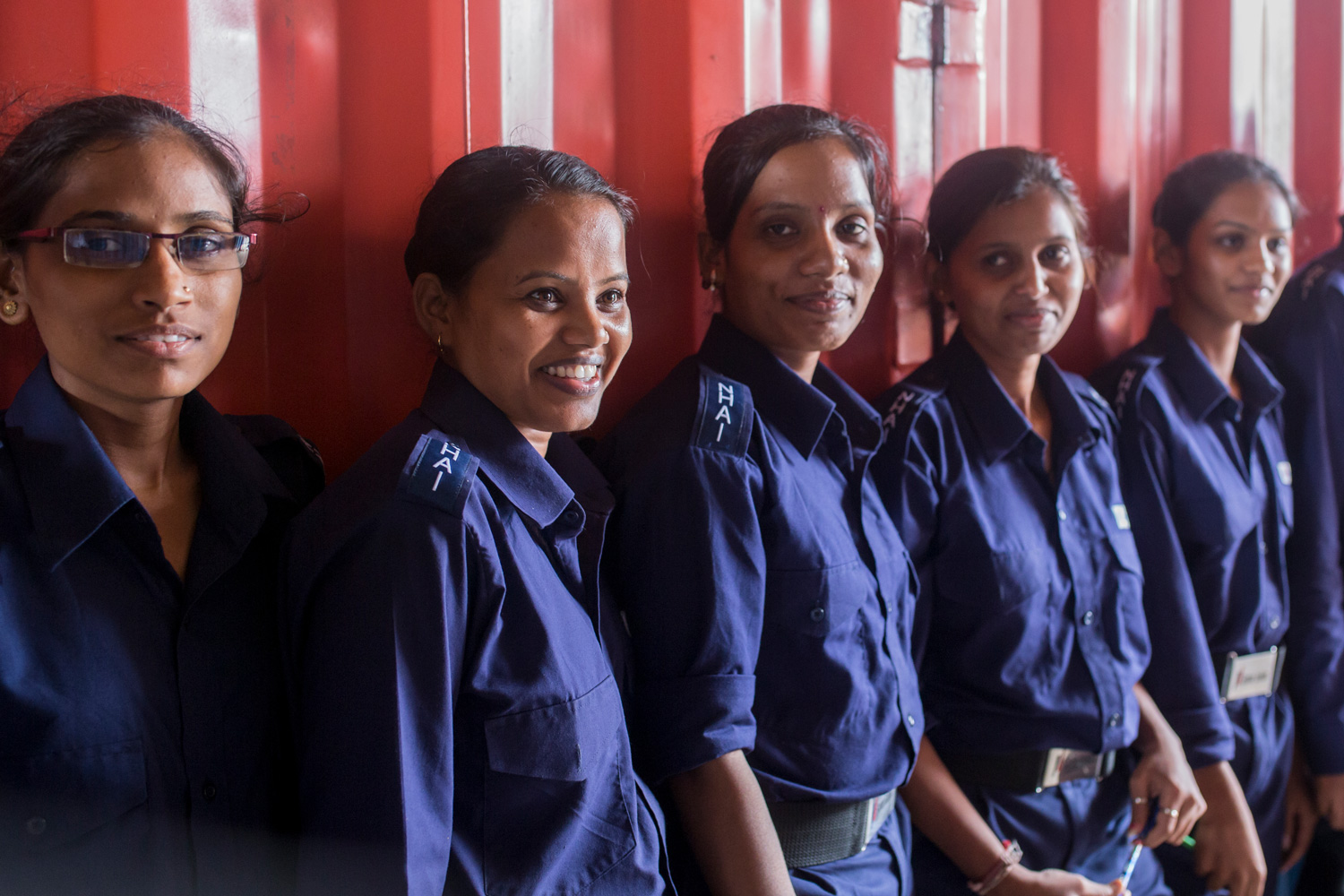
Our assets in India have created a very significant volume of direct and indirect employment in neighbouring communities. Also, the high-quality transport network provided by our roads helped communities in the areas of operation improve their access to infrastructure and basic socio-economic services such as markets, schools and health centres, substantially reducing the time and cost of travel.
In 2022, and with the aim of raising health and safety awareness, we carried out the following campaigns:
Road Safety Week
National Safety Week
World Environment Day
Global Road Safety Campaign
These campaigns helped to highlight the importance of health and safety for both users and the staff of the asset. In compliance with our commitment to communities, we entered into partnership agreements with the following foundations:
- KHUSHII: Improvement of the general aspects of local schools by providing quality education and holistic development for children at three schools in Varanasi (Uttar Pradesh), Ahmedabad (Gujarat) and Bhiwad (Rajasthan).
- The Hans Foundation: Support to 80 villages in Varanasi through the provision of primary healthcare. Four Mobile Medical Units (MMU) were deployed to provide various health services to rural residents.


